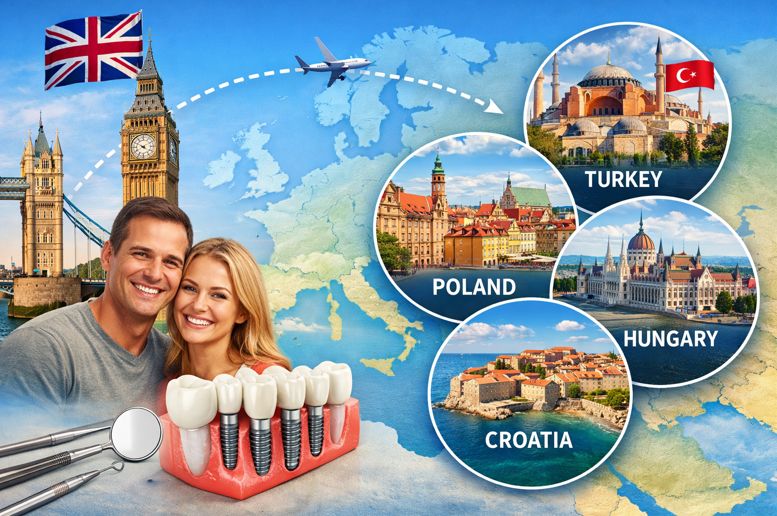
Full mouth dental implants represent one of the most life-changing treatments modern dentistry can offer. For patients living with failing teeth, extensive tooth loss, or long-term denture discomfort, this form of rehabilitation restores far more than chewing ability. It influences speech clarity, facial structure, confidence, and overall quality of life.
In the United Kingdom, however, the cost of full mouth implant treatment can be prohibitive for many households. Waiting lists for publicly funded options are often long, and private clinic prices may exceed what patients feel comfortable financing. As a result, a growing number of UK residents are looking beyond domestic borders and exploring full mouth dental implant packages abroad.
From a dental tourism expert’s perspective, this trend is not about seeking the cheapest solution. It is about finding predictable value, experienced clinicians, and structured treatment plans that align with personal budgets and expectations. Among the most frequently considered destinations are Turkey, Poland, Hungary, and Croatia — each offering distinctive strengths and treatment environments.
This review examines what full mouth implant packages typically include, how different countries approach care, and what UK patients should realistically expect when planning treatment overseas.
Table of Contents
ToggleFull Mouth Dental Implants Abroad – Typical Package Price Comparison (UK Patients)
| Country | Estimated Package Price (Both Arches) | Usually Included in Package | Strengths | Considerations |
|---|---|---|---|---|
| Turkey | £6,000 – £10,000 | Consultation, X-rays/CT scan, 6–12 implants per arch, temporary teeth, final acrylic or zirconia bridge, airport transfers, hotel assistance | Very competitive pricing, large modern clinics, strong cosmetic focus | Quality varies between providers; research credentials carefully |
| Poland | £8,000 – £13,000 | Consultation, diagnostics, implants, temporary prosthesis, final bridge, follow-up visits | Short flights from UK, conservative clinical approach, good communication | Fewer “all-inclusive” travel packages compared to Turkey |
| Hungary | £9,000 – £15,000 | Detailed planning, implants, temporary bridge, final prosthesis (often zirconia option), aftercare coordination | Longstanding reputation in implantology, strong prosthetic expertise, transparent planning | Not always the cheapest, but often valued for reliability |
| Croatia | £8,500 – £14,000 | Consultation, imaging, implants, temporary teeth, final bridge, accommodation guidance | Modern clinics, pleasant recovery environment, growing international reputation | Smaller clinic networks; check experience with full-arch cases |
Important Notes for Readers
-
Price depends on materials (acrylic vs zirconia), number of implants, bone grafting needs, and clinic reputation.
-
Most packages do not include flights, but many assist with hotel bookings or transfers.
-
Treatment usually requires two visits separated by 3–6 months.
-
Cheaper packages may use fewer implants or lower-cost prosthetic materials.
-
Always request a written treatment plan and material specification before booking.
This table gives readers a realistic overview while encouraging informed decision-making rather than focusing only on the lowest price.
Understanding Full Mouth Dental Implants
Before comparing destinations, it is important to understand what “full mouth dental implants” actually means. The term generally refers to restoring all teeth in the upper arch, lower arch, or both using implant-supported prosthetic solutions. These may include:
-
Fixed full-arch bridges supported by multiple implants
-
Hybrid prostheses combining acrylic and metal frameworks
-
Zirconia or ceramic full-arch restorations
-
Advanced removable implant-retained dentures
Treatment usually occurs in two main phases. The first involves implant placement and temporary teeth. The second, several months later, focuses on the final prosthetic restoration after healing and integration are complete.
Because this process involves surgery, laboratory work, and extended follow-up, full mouth rehabilitation is one of the most complex areas of dentistry — and one where experience matters greatly.
What Do Full Mouth Implant Packages Abroad Typically Include?
Clinics that specialise in international patients often structure their services into packages rather than isolated procedures. While the specifics vary, most comprehensive packages include:
-
Initial consultations and digital imaging
-
Treatment planning with 3D scans and surgical guides
-
Implant surgery and temporary prosthesis
-
Final prosthetic fabrication during a second visit
-
Follow-up consultations and remote support
-
Airport transfers and accommodation assistance
The advantage of a package model is clarity. Patients know the scope, timeline, and financial structure in advance, reducing uncertainty. However, it is essential to read the details carefully, as “all-inclusive” may not always mean every material or contingency is covered.
Turkey: High Volume, Strong Aesthetic Focus, and Competitive Pricing
Turkey has become one of the most recognisable names in dental tourism, particularly for implant and cosmetic procedures. Cities such as Istanbul, Antalya, and Izmir host large clinics that treat international patients daily.
Strengths
Scale and Infrastructure
Many Turkish clinics operate on a large scale, employing multidisciplinary teams of surgeons, prosthodontists, and technicians under one roof. This structure supports efficient scheduling and coordinated care.
Aesthetic Emphasis
Turkey is known for prioritising smile design and cosmetic outcomes. Patients seeking visually transformative results often find this focus appealing.
Integrated Travel Services
Some providers bundle hotel accommodation, airport transfers, and local transport, simplifying logistics for first-time travellers.
Considerations
Quality can vary between clinics, and thorough research is crucial. High patient volumes can be an advantage in terms of experience, but they may also lead to less personalised interaction if expectations are not clearly communicated. UK patients should pay close attention to credentials, materials used, and follow-up arrangements.
Poland: Clinical Precision and Geographic Convenience
Poland has steadily gained recognition among UK dental tourists due to its proximity, accessible flights, and reputation for meticulous clinical standards. Cities such as Warsaw, Kraków, and Gdańsk host well-equipped implant centres catering to international visitors.
Strengths
Short Travel Times
Flights from the UK are relatively brief, making Poland appealing for patients who prefer shorter journeys or multiple visits.
Conservative Treatment Philosophy
Polish clinicians often emphasise biological stability and long-term function, which resonates with patients seeking durable rather than purely cosmetic solutions.
Balanced Pricing
Costs are typically lower than in the UK while maintaining modern technology and laboratory quality.
Considerations
While Poland may not offer the same tourism-style package culture as Turkey, its strength lies in consistent clinical environments and structured planning. Patients who prioritise predictability and straightforward communication often feel comfortable here.
Hungary: Long-Standing Expertise in Implantology
Hungary has been associated with dental tourism for decades and is frequently regarded as one of Europe’s most experienced implant destinations. Budapest, in particular, hosts clinics with deep specialisation in prosthetics and full-arch rehabilitation.
Strengths
Historical Reputation
Hungary’s dental education system and long experience with international patients have built a strong foundation of trust.
Focus on Complex Restorations
Clinics often excel in full-arch and multi-implant cases, supported by in-house laboratories and multidisciplinary teams.
Transparent Planning
Detailed treatment proposals, digital previews, and staged timelines are common, giving patients a clear understanding of the process.
Considerations
Hungary’s appeal lies in its balance of experience and value. While not always the lowest-priced option, many patients view it as a destination where cost savings coexist with long-term reliability.
Croatia: Emerging Destination with Lifestyle Appeal
Croatia is a comparatively newer entrant in the dental tourism field but has quickly gained attention due to its coastal cities, modern clinics, and welcoming atmosphere. Locations such as Zagreb, Split, and Rijeka are increasingly visible on the international dental map.
Strengths
Modern Facilities
Many Croatian clinics are newly built or recently renovated, offering contemporary equipment and comfortable environments.
Recovery Environment
Coastal settings provide calm surroundings for post-treatment recovery, which some patients find beneficial.
Growing Professional Networks
Clinicians often train internationally and maintain strong professional affiliations across Europe.
Considerations
As an emerging destination, Croatia’s clinic network is still developing. Patients should prioritise well-established providers with clear case histories and follow-up protocols.
Comparing the Four Destinations
While all four countries offer viable options, they differ in emphasis and patient experience:
-
Turkey is often associated with scale, strong cosmetic orientation, and integrated travel packages.
-
Poland appeals to those seeking proximity, precision, and conservative treatment approaches.
-
Hungary stands out for its long-term reputation in complex implant rehabilitation.
-
Croatia combines modern facilities with lifestyle-oriented recovery settings.
The best choice depends less on geography and more on personal priorities, medical complexity, and communication comfort.
Materials and Technology in Overseas Packages
One of the common misconceptions about treatment abroad is that lower prices automatically imply inferior materials. In reality, many reputable clinics utilise globally recognised implant systems, digital planning tools, and advanced prosthetic materials such as zirconia or reinforced acrylics.
Patients should still verify:
-
Implant brand and warranty details
-
Laboratory credentials
-
Prosthetic material options
-
Maintenance and adjustment policies
Transparency in these areas is often a stronger indicator of quality than price alone.
Travel Logistics and Timing
Full mouth implant treatment usually requires at least two visits separated by several months. UK patients should plan:
-
Adequate recovery days after surgery
-
Flexible return dates for the final prosthesis
-
Clear communication regarding healing timelines
Destinations with frequent flight connections and straightforward visa policies generally reduce logistical stress.
Communication and Aftercare
Successful dental tourism relies on strong communication before, during, and after treatment. Leading clinics typically offer:
-
English-speaking coordinators
-
Digital consultations before travel
-
Remote follow-up appointments
-
Written maintenance guidelines
Patients should confirm how emergencies or adjustments will be handled once they return home, as this aspect influences long-term satisfaction.
Financial Perspective: Value Versus Cost
For many UK patients, the primary motivation for travelling abroad is financial feasibility. However, focusing solely on the lowest price can be misleading. True value lies in the combination of:
-
Clinical expertise
-
Material quality
-
Longevity of the prosthesis
-
Clarity of guarantees and support
A well-structured package that includes reliable aftercare often proves more economical over time than a cheaper initial quote lacking follow-up provisions.
Psychological and Lifestyle Factors
Beyond clinical considerations, full mouth implant journeys are deeply personal. Patients often seek destinations where they feel comfortable, respected, and supported. Cultural familiarity, language accessibility, and even climate can influence the overall experience.
Countries such as Hungary and Poland may appeal to those prioritising predictability and proximity, while Turkey and Croatia attract patients drawn to integrated hospitality or coastal recovery settings.
Making an Informed Decision
When evaluating full mouth dental implant packages abroad, UK patients benefit from asking detailed questions about:
-
Surgeon credentials and case history
-
Implant systems and prosthetic materials
-
Treatment timelines and contingencies
-
Aftercare protocols and warranties
-
Total cost breakdowns rather than headline figures
An informed approach transforms dental tourism from a leap of faith into a structured healthcare decision.
Conclusion: Expanding Choices, Not Escaping Care
Full mouth dental implant packages abroad are no longer viewed as unconventional. For many UK patients, they represent a rational response to domestic cost pressures and access limitations. Turkey, Poland, Hungary, and Croatia each offer credible pathways, distinguished by their clinical cultures, pricing structures, and patient environments.
The most successful outcomes arise when patients look beyond promotional language and focus on transparency, communication, and professional credibility. Dental tourism is not about escaping local care; it is about expanding options and aligning treatment with personal goals.
With careful research and realistic expectations, travelling abroad for full mouth dental implants can become a well-planned step toward restored function, renewed confidence, and long-term oral health.